

A closer look: look at the numbers with clear credit amounts.
Variation around an average
Use this point when reading a result. Volatility describes how widely outcomes can vary, rather than just their expected average. Two games can have similar RTP values while distributing awards differently. A mode with rarer large results can feel different from one with more frequent small results during a short session. Read the active cabinet’s rule panel when applying this explanation. Additional context is available in the site’s related guides.
The paytable does not tell the whole story
The largest multiplier matters, but its probability also matters. Symbol weights, overlapping paylines and attached bonuses all shape the spread of complete round awards. Looking only at the top prize or the number of displayed rows leaves out important parts of that distribution. The same definitions apply on a phone and a desktop browser. Additional context is available in the site’s related guides.
Distinguish one line from a whole round
A precise definition makes the screen easier to read. The numeric deviation column on this page measures the base game's single-line award in units of its line wager. It is included as a precisely defined statistic. It is not labeled as a full-round volatility rating, because a round can combine related lines and additional features. The examples describe virtual-credit play within this release. Additional context is available in the site’s related guides.
Remember that paylines share cells
A precise definition makes the screen easier to read. Several active lines can pass through the same symbol. A favorable position can therefore help multiple lines at once, creating dependence between their awards. Simply multiplying one line's variance by 20 would ignore that dependence and would not describe the full cabinet correctly. Read the active cabinet’s rule panel when applying this explanation. The visible interface identifies the feature currently in use.
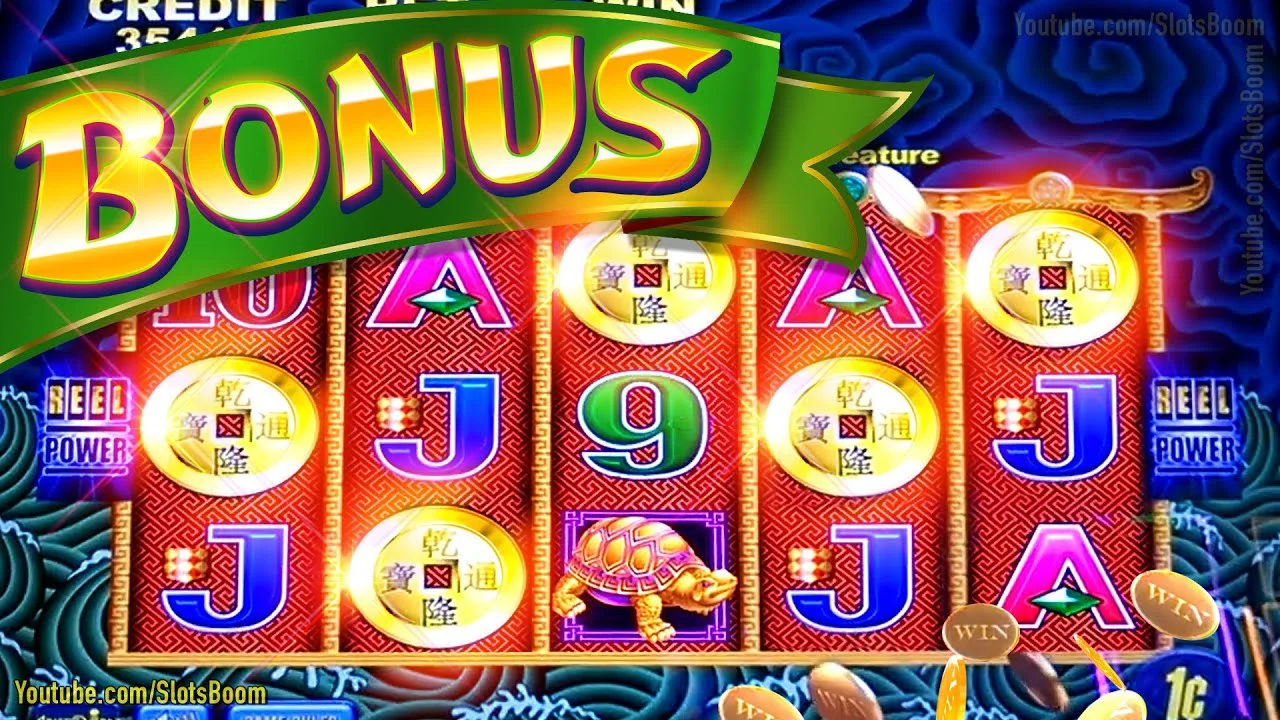
Features add another source of variation
Consider this rule alongside the active cabinet. A free-spin retrigger extends a round, a collection can keep resetting its remaining attempts, and a pick can reveal different multipliers. These follow-up outcomes affect the spread of complete-round awards. Their presence alone does not specify an independently measured low, medium or high rating. The examples describe virtual-credit play within this release.
Wager size changes credit swings
The distinction matters when comparing games. A larger wager scales the number of credits paid and awarded under the same symbol probabilities. It does not make an empty result less likely. If you want smaller changes in the displayed balance, choose a smaller allowed total wager before the next paid round. Review one completed result at a time when comparing these details. Additional context is available in the site’s related guides.

Use net changes in a review
Keep the scope of the explanation in view. An award that is below the paid wager still produces a negative net round. The history separates the two amounts so that you can see that difference. Review net outcomes and complete features rather than treating every highlighted symbol as a profitable round. Read the active cabinet’s rule panel when applying this explanation. Keep the current domain in view when checking saved information.
Take a break when you choose
This is part of understanding the current release. There is no automatic paid-spin loop or time-limited requirement to continue. You can pause your activity by simply leaving the next action untouched. A losing sequence does not need to be repaired by a later wager, and no mode promises a recovery pattern. A mode’s own paytable remains the reference for its awards.