

A closer look: explore a feature without a timed decision.
Browser-generated results
This reference concerns the supplied Slots games. The game requests random integers from the browser's cryptographic random source. It uses rejection sampling when mapping those integers to a smaller range, avoiding a modulo bias from uneven range division. If that source is unavailable, the game does not silently switch to a predictable fallback. A mode’s own paytable remains the reference for its awards.
Weighted independent cells
Start by identifying what the number describes. Each ordinary visible cell is selected independently using its mode's symbol weights. The display resembles reels, but this original engine does not use a physical reel strip with linked neighboring positions. A saved Wild-lock respin is the explicit exception: locked Wild cells are retained instead of sampled again. A mode’s own paytable remains the reference for its awards. Review the relevant page before using another mode.
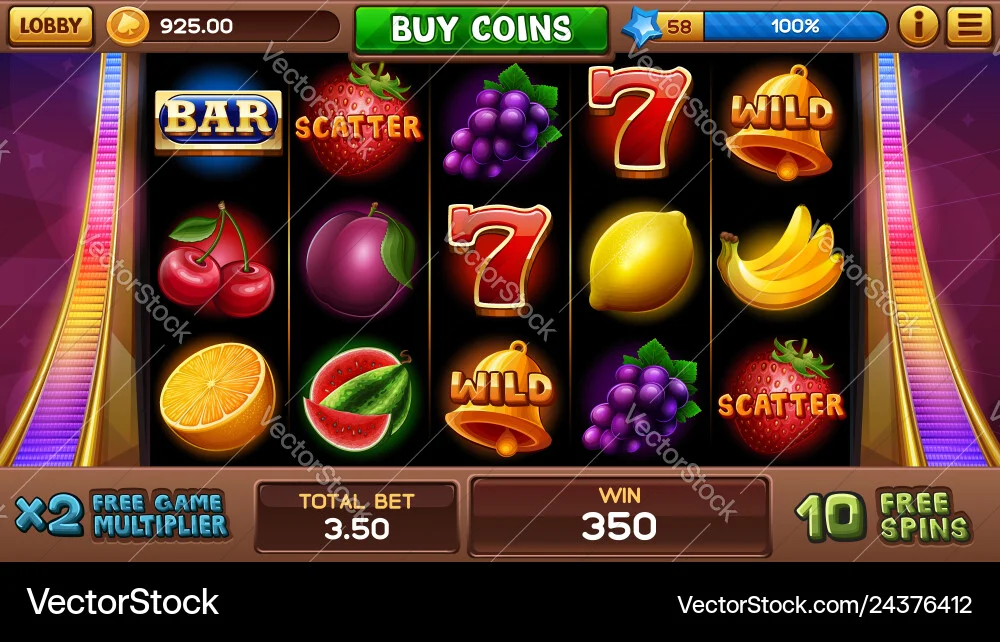
Decide before animating
This reference concerns the supplied Slots games. A result and its balance changes are computed and saved before the brief movement finishes. The animation shows that decision rather than selecting a new outcome at each frame. Refreshing during the movement therefore restores the already-recorded result when storage is available. The examples describe virtual-credit play within this release. Review the relevant page before using another mode.
No timing advantage
Consider this rule alongside the active cabinet. Click timing, sound settings, screen size and the selected site theme do not change the symbol weights. A faster computer does not receive a different paytable. The next ordinary draw does not become favorable because the previous one did not produce an award. A mode’s own paytable remains the reference for its awards.
Use a fixed rules version
This is part of understanding the current release. Each saved game includes a rules-version identifier. The engine validates restored data against this version and expected structure. This helps avoid loading incompatible or damaged records after a program change. Deleting server-rendered page cache does not change the rule version. Read the active cabinet’s rule panel when applying this explanation. The visible interface identifies the feature currently in use.
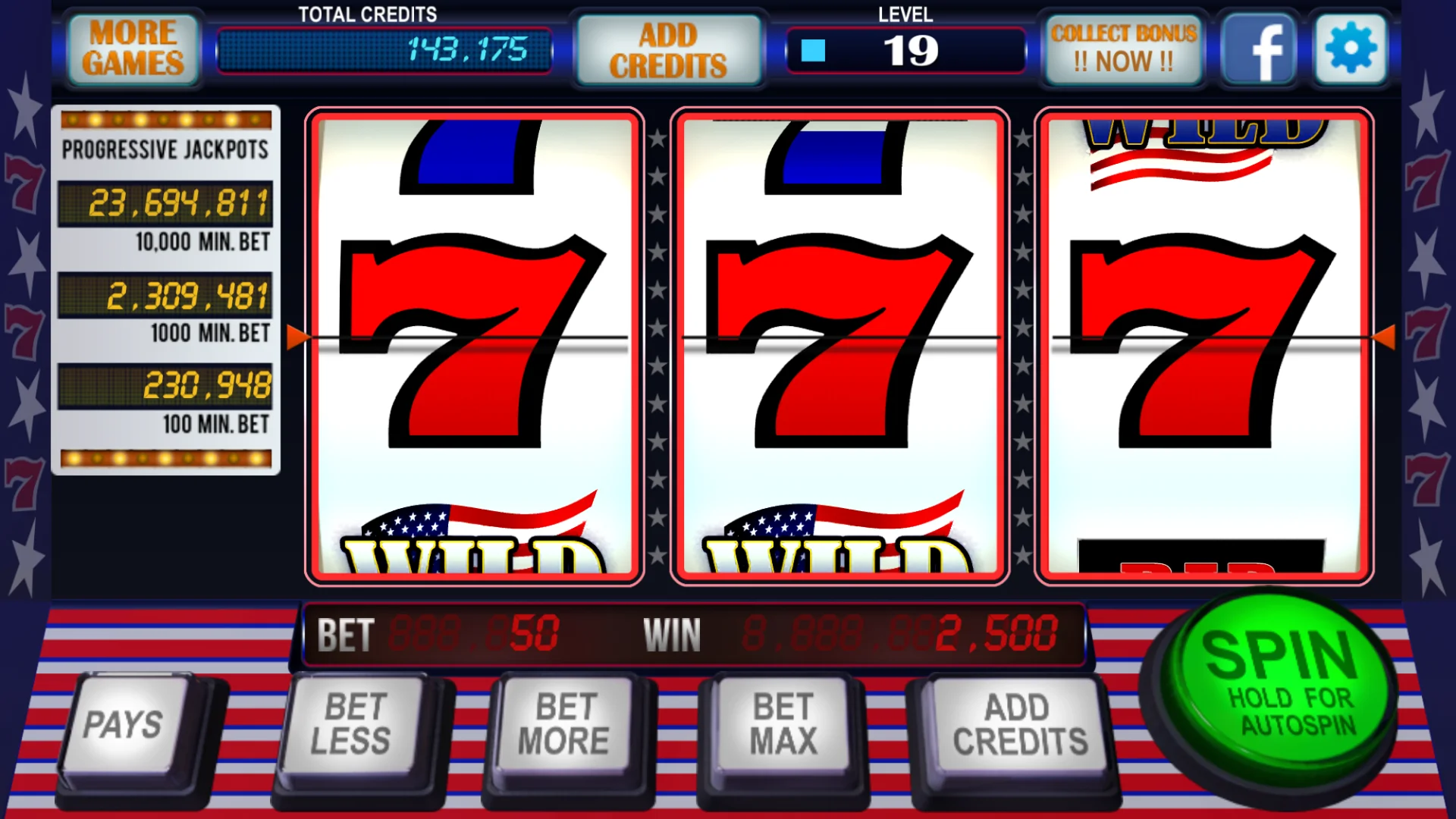
Explain what can be checked
The distinction matters when comparing games. The supplied math report derives the game's RTP from its rules. The program includes reproducible checks for line evaluation, feature counters, stored choices and balance conservation. These are development checks, not a claim of an independent gambling certification or a cryptographic proof offered to each visitor. The examples describe virtual-credit play within this release. Review the relevant page before using another mode.
Keep local limitations clear
A precise definition makes the screen easier to read. The free game runs on the visitor's device and its browser storage can be changed or deleted by that visitor. It is not an authoritative cash ledger, shared leaderboard or server-verified competition. There are no paid balances or prizes that rely on those local records. Read the active cabinet’s rule panel when applying this explanation.
Separate external destinations
This reference concerns the supplied Slots games. A configured navigation button may lead away from the built-in practice game. That destination has its own functionality and terms. This page's descriptions of random draws and stored credits apply to the local Slots engine, not to another operator or an independently configured destination. The examples describe virtual-credit play within this release. Keep the current domain in view when checking saved information.